Coffee Station Organizer Size and Counter Fit Checklist
A coffee station organizer size and counter fit checklist helps you decide whether an organizer can sit, open, and stay usable in the available counter area. Fit depends on the usable counter zone, the organizer footprint, nearby coffee machine access, overhead clearance, and the amount of supplies stored inside the organizer.
Physical counter fit is narrower than a full coffee station setup: this page focuses on size, dimensions, footprint, and clearance before broader layout choices. For the wider category context, use the coffee station organizers hub after the fit boundary is clear.
Advertised dimensions can guide the first check, but they do not prove fit by themselves. A coffee station organizer may still be awkward if a drawer needs pull-out space, a tier blocks cabinet clearance, a tray crowds mug access, or stored pods, cups, lids, and condiments make the measured footprint harder to use.
Coffee station organizer fit begins with the usable counter zone
Coffee station organizer fit begins with the usable counter zone rather than the total counter length. The usable counter zone is the portion of the countertop that remains available after allowing for the coffee machine, nearby obstacles, and the access needed to use both the machine and the organizer comfortably.
The usable counter zone becomes easier to assess when you identify the space that can actually hold the organizer without restricting normal movement. The image below highlights the usable counter zone, nearby obstacles, and access boundaries so you can recognise the area that should be evaluated before taking measurements.
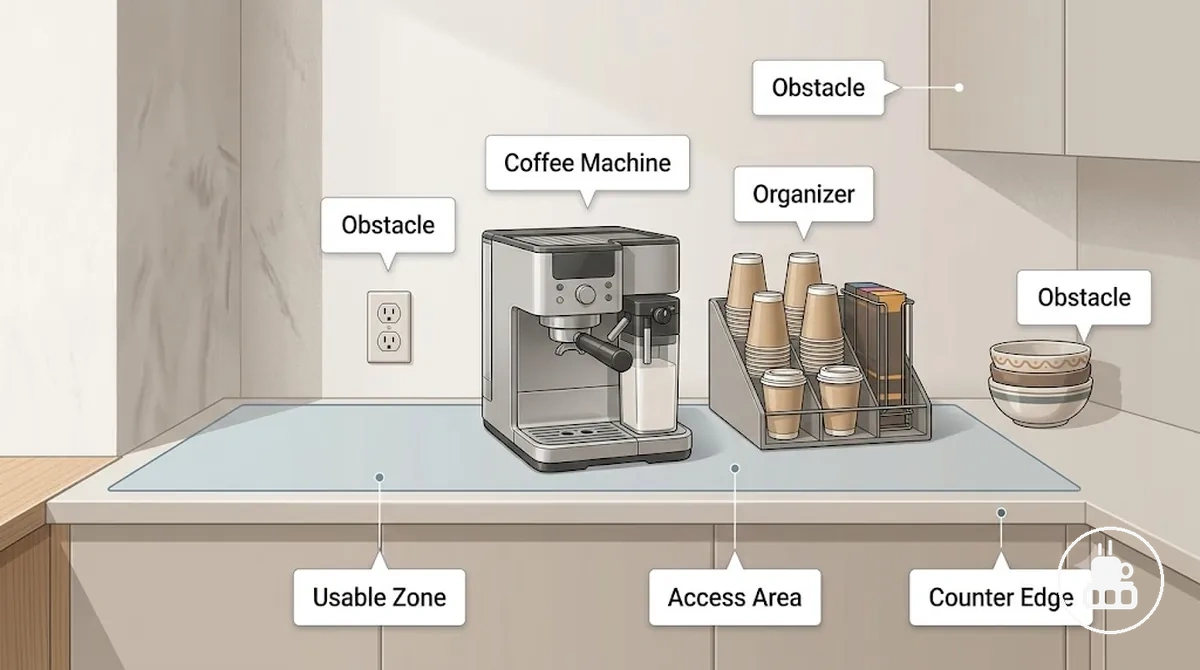
Usable space can differ from total counter length if a wall, power outlet, coffee machine, or cabinet limits the available footprint. After identifying the usable counter zone, measure only that accessible area because coffee station organizer fit depends on the actual working space rather than the overall countertop dimensions.
Measurements to take before choosing a coffee station organizer
Measurements to take before choosing a coffee station organizer should include the usable counter width, available depth, vertical clearance, and the space needed around nearby appliances. Each measurement supports a different fit decision, so a coffee station organizer should be assessed against the usable counter area because each dimension can confirm or rule out placement for a different reason.
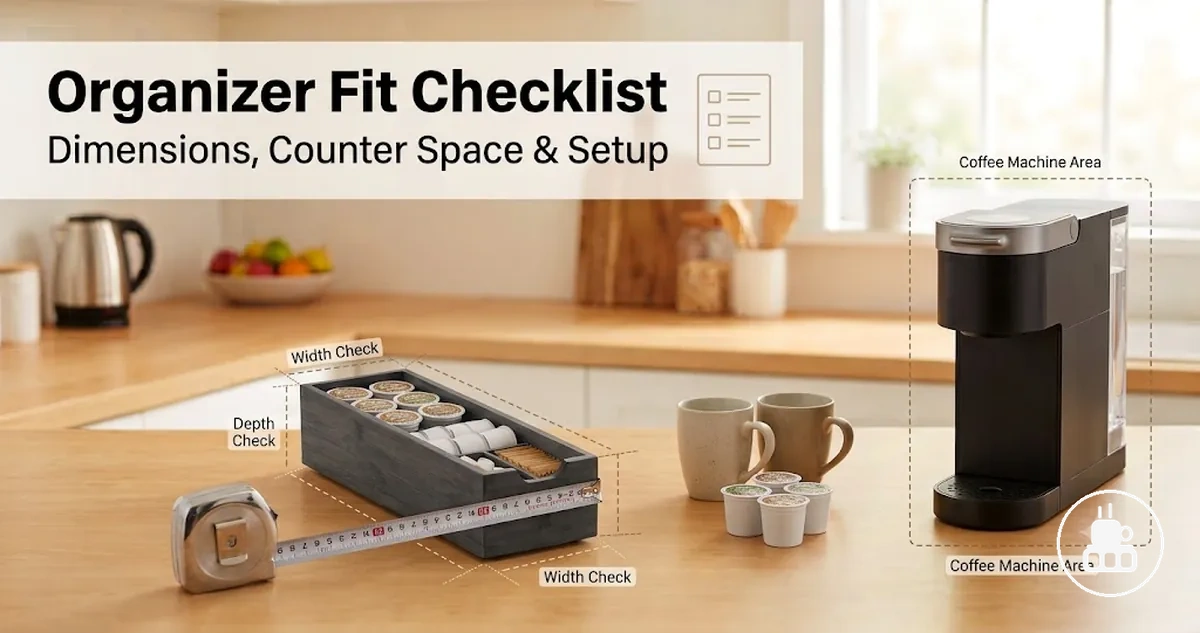
The measurement points below identify where to check your available space before comparing organizer dimensions. The image highlights the key measurement locations so you can recognise each measurement point before using the checklist.
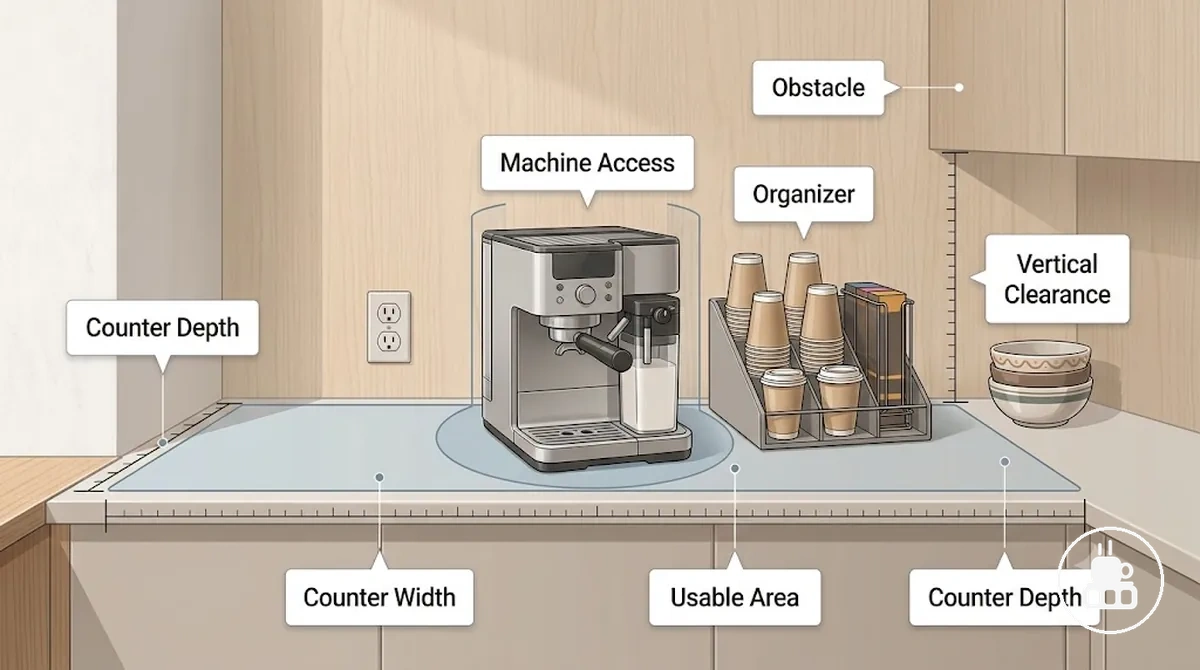
| Measurement | What it helps confirm |
|---|---|
| Counter width | Whether the coffee station organizer can fit within the usable counter area without crowding nearby items. |
| Counter depth | Whether the coffee station organizer may extend beyond the working area or interfere with normal access. |
| Vertical clearance | Whether shelves, cabinets, or other overhead features could limit placement or everyday use. |
| Machine access | Whether enough space remains to operate the coffee machine and reach frequently used supplies comfortably. |
Counter width beside the coffee machine
Counter width beside the coffee machine should include both the organizer width and the side clearance needed to use the coffee machine comfortably. A coffee station organizer may fit within the available width, but the final fit also depends on whether enough space remains for machine controls, mug reach, and normal hand movement.
The image below highlights the organizer width and the side clearance that should be considered together before deciding on placement.
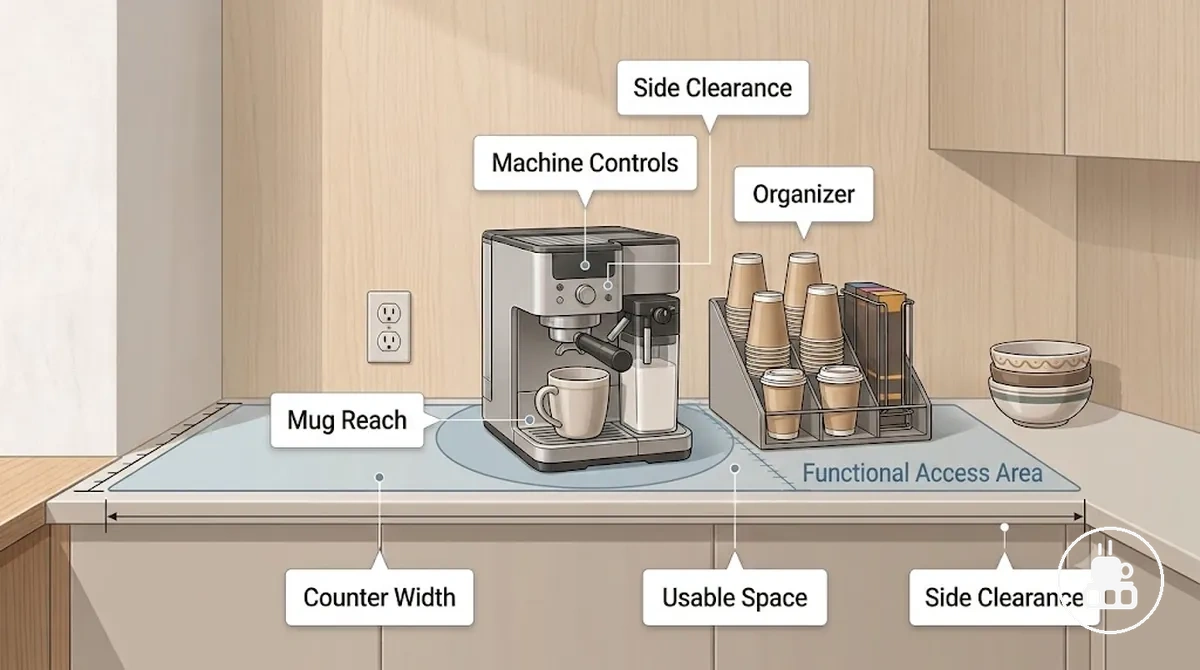
On narrow countertops, the available width can appear sufficient even when side clearance is limited. Measure the organizer width together with the remaining access space because machine controls, mug handling, and everyday movement can affect whether the available width remains practical after the organizer is in place.
Counter depth for front access and overhang
Counter depth for front access and overhang depends on how much usable space remains in front of the coffee station organizer, since depth determines whether items can be used without restricting access or pushing the setup beyond the counter’s working edge.
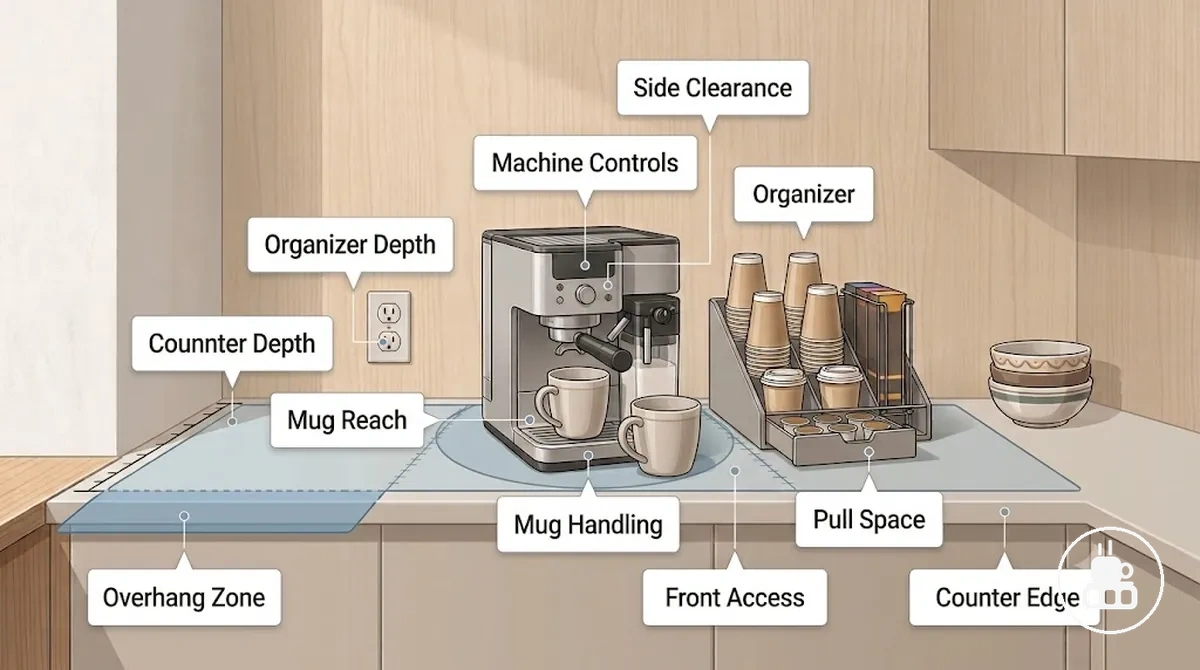
A setup may fit in terms of depth but still feel constrained if drawers, trays, or cups cannot move freely in the front area. The key condition is whether front access remains practical for daily use, including handling mugs and operating the coffee machine without the organizer extending into an overhang that limits function.
Organizer height under cabinets and shelves
Organizer height under cabinets and shelves depends on the vertical clearance between the coffee station organizer and any overhead cabinets, shelves, or mug rails, since usable height is determined by how much space remains after accounting for both the organizer and items placed on it.
A coffee station organizer may physically fit under a cabinet, but practical use can be limited if lids, containers, or stacked items reduce clearance needed to open lids or access stored coffee tools. The key condition is whether overhead space still allows normal handling without forcing items to be placed at an angle or removed before use.
In many setups, the limiting factor is not the base height of the organizer but the combined height of stored items during daily use. Checking vertical clearance in the fully loaded state helps ensure the organizer remains functional rather than only fitting in an empty configuration. :contentReference[oaicite:0]{index=0}
Compact, narrow, and low-profile organizer fit conditions
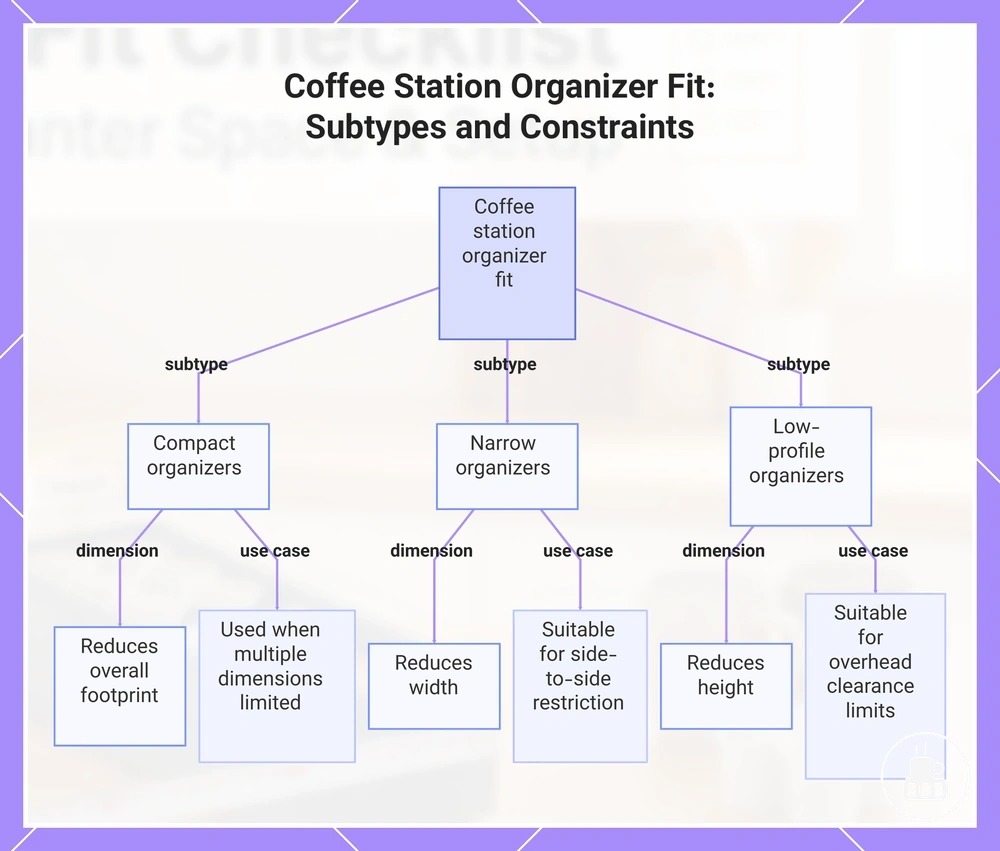
Compact, narrow, and low-profile coffee station organizer fit depends on which single spatial constraint is being reduced, since each subtype adjusts a different dimension while keeping the overall usability of the coffee setup dependent on remaining access space.
Compact organizers reduce overall footprint, narrow organizers primarily reduce width to suit tighter counter runs, and low-profile organizers reduce height to fit under tighter overhead clearance. Each option solves a different limitation, but the resulting fit still depends on how the remaining space supports daily access, storage movement, and machine interaction.
Selection depends on the dominant constraint in the kitchen layout: compact formats are typically used when multiple dimensions are limited, narrow formats suit side-to-side restriction, and low-profile formats suit overhead clearance limits. These distinctions become more important in constrained layouts such as small-space coffee station organizers, where trade-offs between footprint and usability are more noticeable.
This chart shows the three subtypes of coffee station organizer fit conditions, the dimension each reduces, and the typical constraint it solves.
Coffee machine area clearance around the organizer
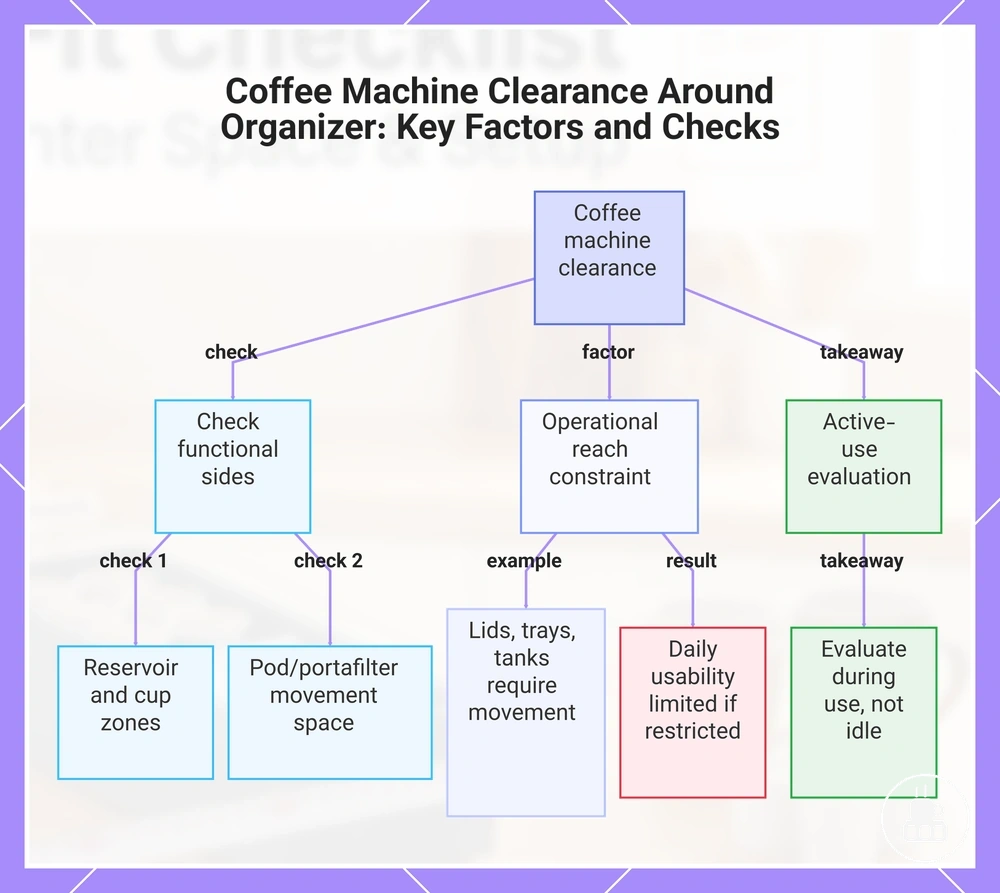
Coffee machine area clearance around the organizer depends on whether the installed organizer blocks essential machine functions such as brewing access, water refill, cleaning movement, and cable routing, since clearance is determined by how the machine and organizer interact in the same working zone.
Clearance should be checked around all functional sides of the coffee machine, including the reservoir access side, cup placement area, and any pod or portafilter movement space, because different machine models distribute these access points differently. If the organizer restricts even one of these interaction zones, daily usability can become limited even when the physical footprint appears to fit.
In many setups, the main constraint is not static placement but operational reach during use, where lids, drip trays, or removable tanks require forward or side movement. For this reason, coffee machine area clearance should always be evaluated in active-use conditions rather than only when the machine is idle.
This chart shows the main conditions, check points, and evaluation approach for determining coffee machine clearance when an organizer is installed.
Machine footprint, cord path, and refill access
Machine footprint, cord path, and refill access determine compatibility by checking whether the coffee machine can sit, operate, and be maintained without obstruction from the organizer, since each factor affects a different part of daily use rather than only physical placement.
The machine footprint must stay fully supported on the counter so the base is not forced into edge stress or uneven contact. The cord path should remain unobstructed so the cable can reach the outlet without tight bending or blockage from stored items. Refill access must stay clear for water tanks, bean hoppers, or pod loading so routine use does not require moving the organizer.
- Footprint: machine base sits fully flat without edge pressure or overhang
- Cord path: cable reaches outlet without tight bends or obstruction
- Refill access: water tank, pods, or beans can be refilled without shifting the organizer
Drawer, tray, and tier movement clearance
Drawer, tray, and tier movement clearance refers to how much unobstructed space is required for moving parts on a coffee station organizer to open, slide, or lift without interference from the coffee machine, wall, or nearby items, since compatibility depends on post-placement movement rather than static fit alone.
Movement clearance should be checked during real use because drawers, trays, and tiers may behave differently depending on pull-out distance, handle position, and proximity to machine controls. If any moving part contacts surrounding objects during operation, access to stored items can become restricted even if the organizer initially fits on the counter.
- Drawer movement: should open fully without hitting nearby appliances or backsplash
- Tray movement: should slide without blocking machine controls or cups
- Tier clearance: should lift or access without collision with upper surfaces
- Handle reach: should allow grip and pull without shifting surrounding items
Storage capacity inside the measured footprint
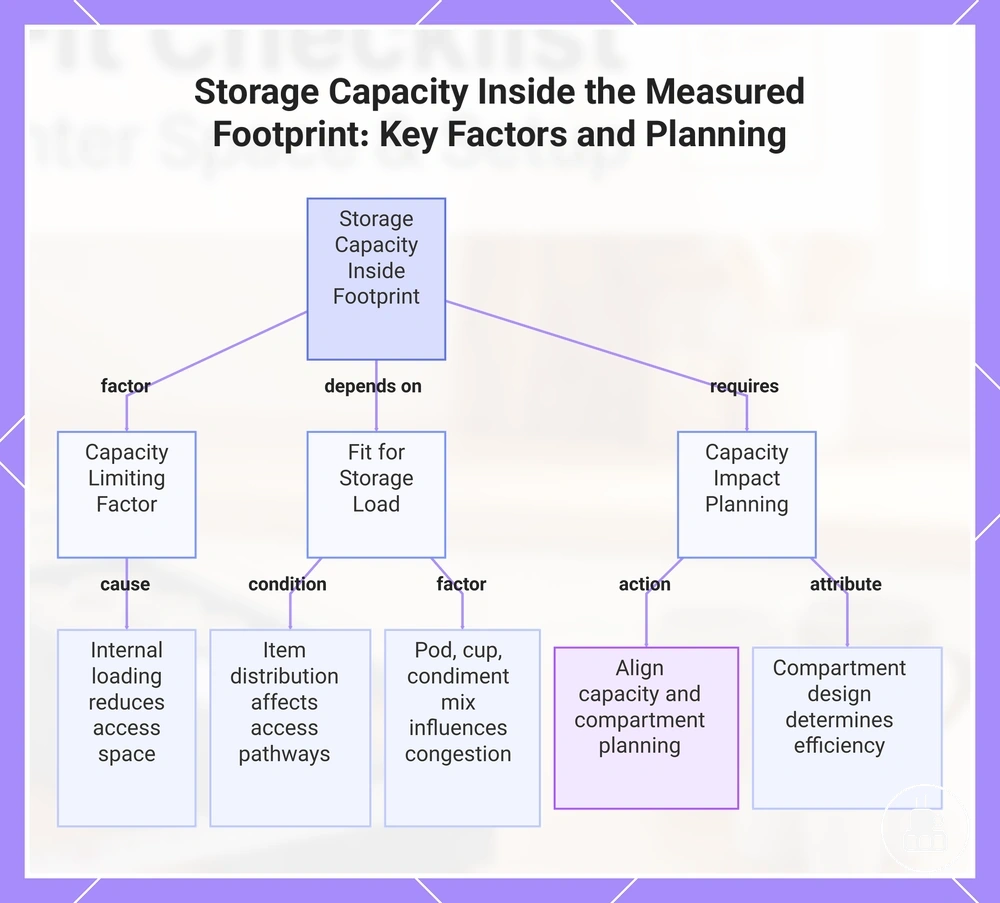
Storage capacity inside the measured footprint depends on how much usable storage can remain functional within the already defined counter boundary, since capacity must operate inside the measured footprint rather than expanding beyond it.
Capacity becomes a limiting factor when internal loading from pods, cups, lids, condiments, and accessories begins to reduce access space, creating overcrowding or making retrieval less efficient even if the organizer still fits physically within the footprint.
Fit for storage load depends on how items are distributed within compartments and how that distribution affects access pathways, especially in relation to fit for pods cups and condiments where item mix directly influences congestion inside the same footprint.
When evaluating capacity impact, planning should align with capacity and compartment planning because compartment design determines how efficiently the measured footprint can handle different storage loads without loss of usability.
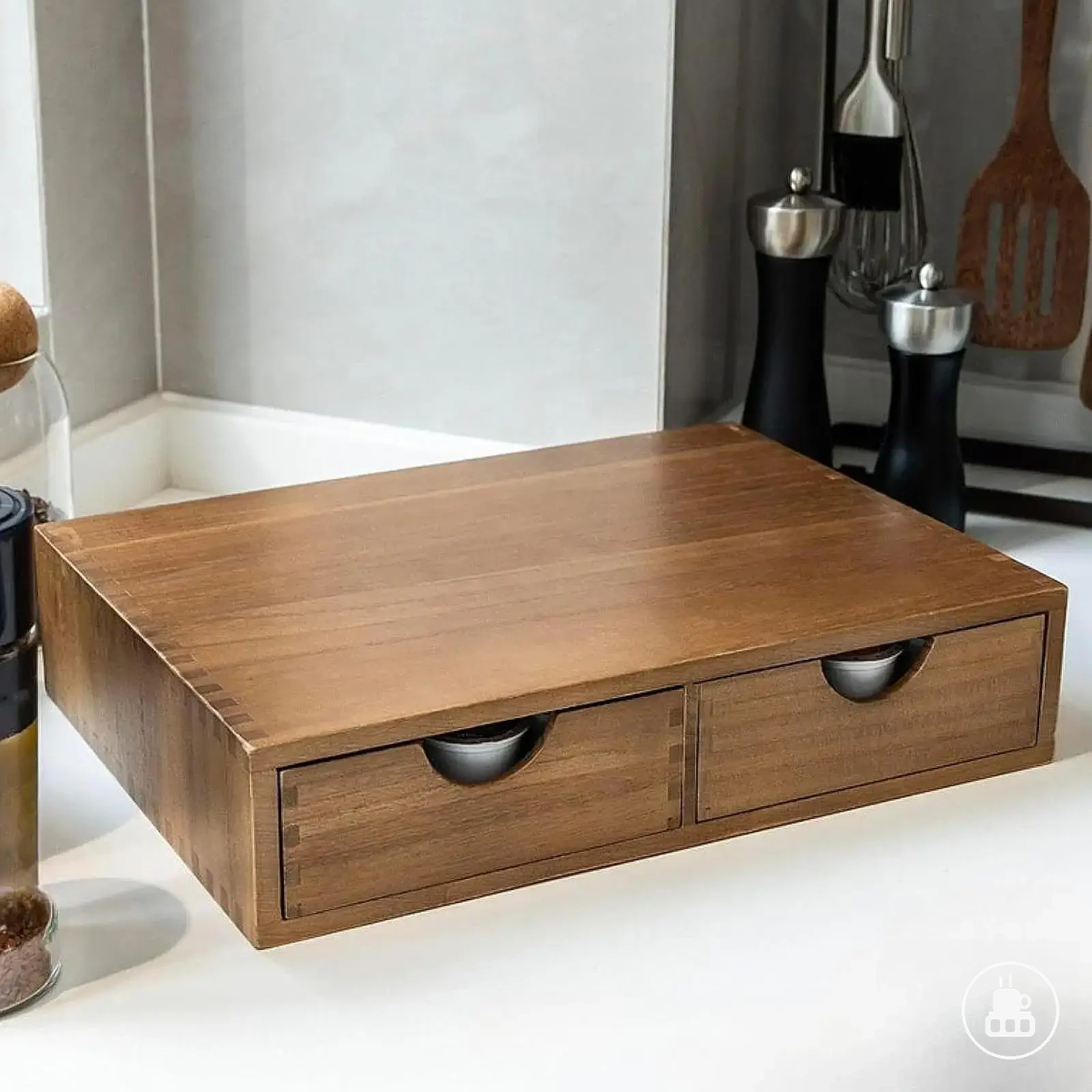
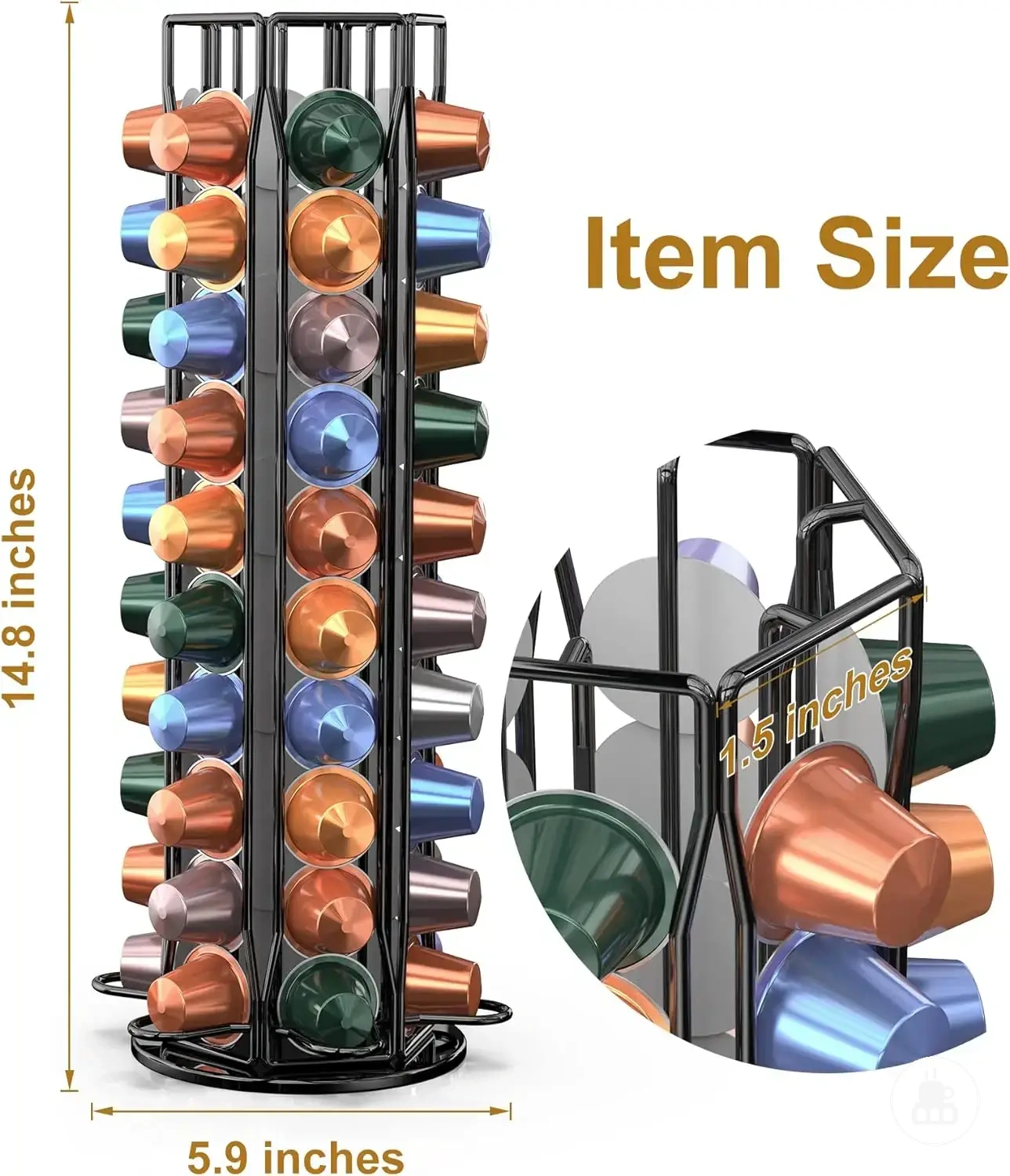
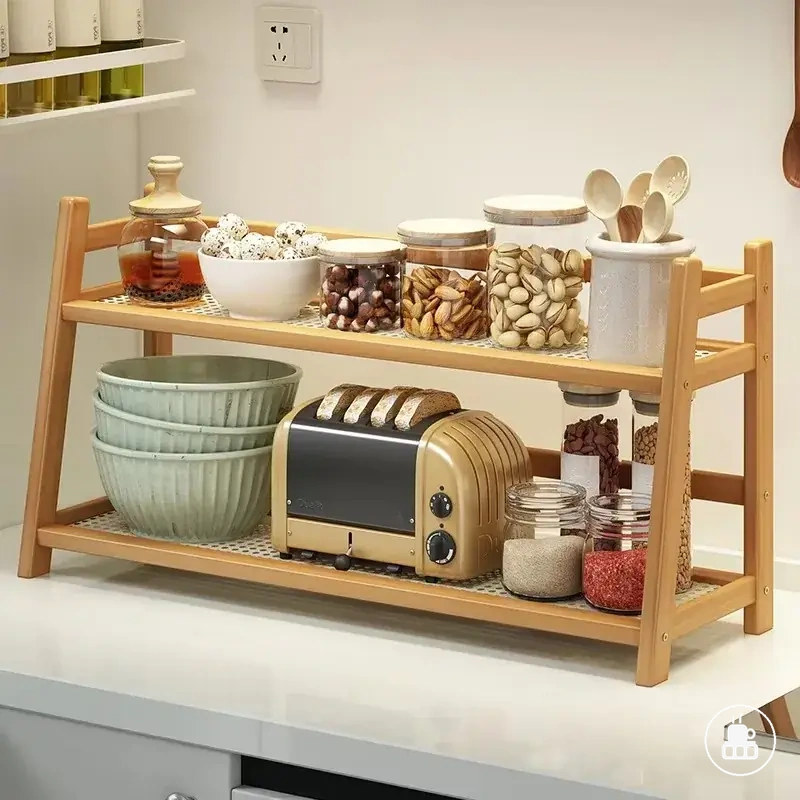
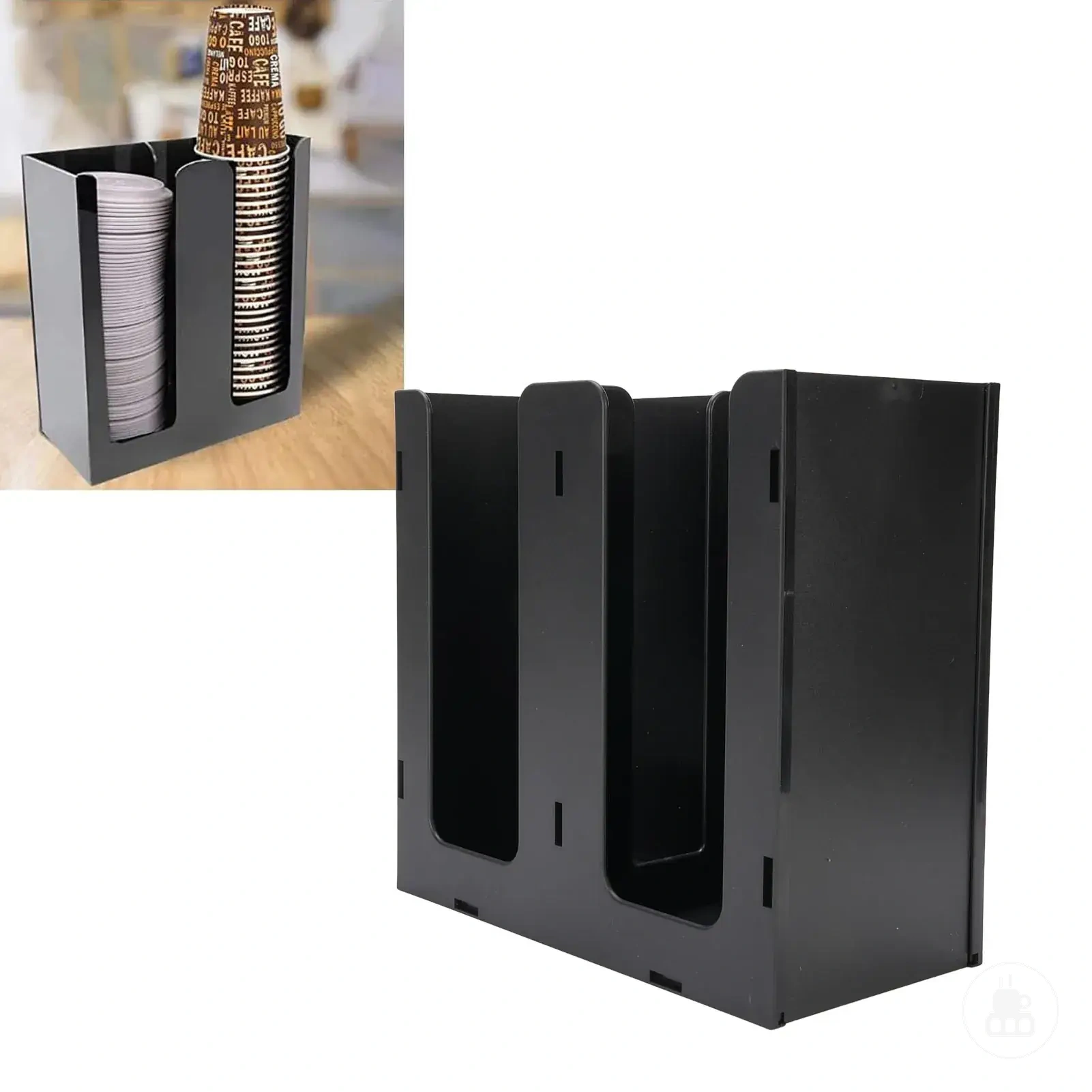
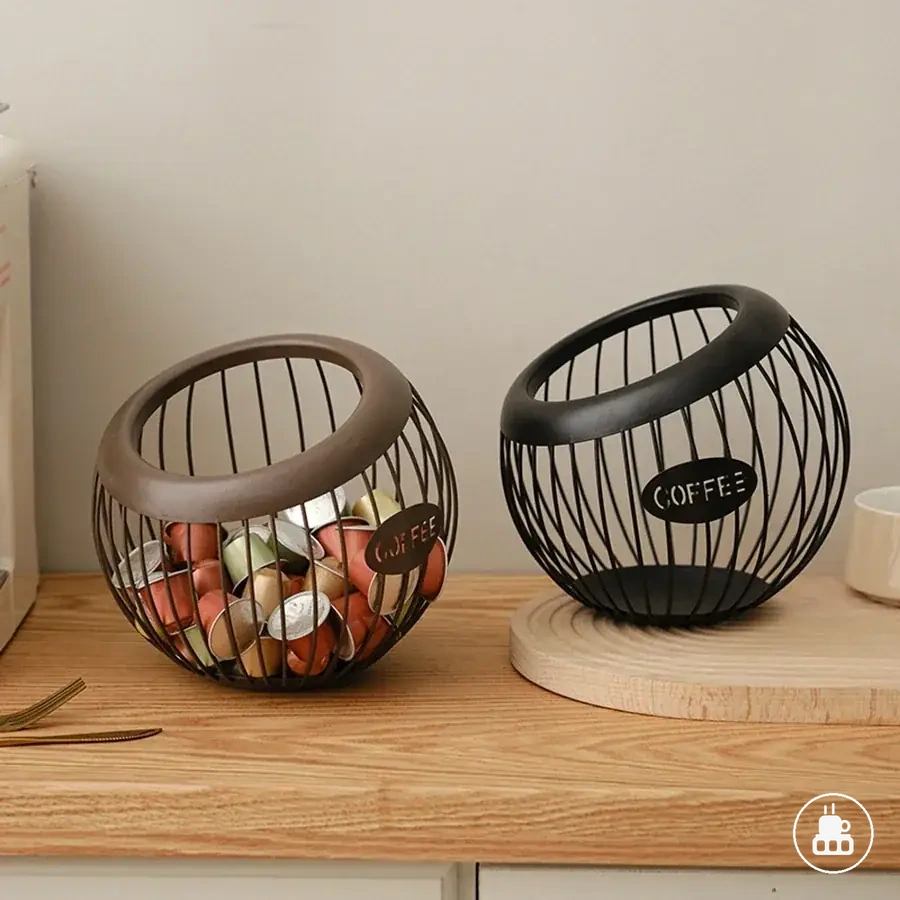
Here are product examples that may make comparison easier. Before buying, always review the compatibility criteria, essential features, and product details.
This chart explains how storage capacity within a defined footprint is shaped by capacity limitations, fit for load distribution, and planning alignment with compartment design.
Countertop organizer fit versus full coffee station layout
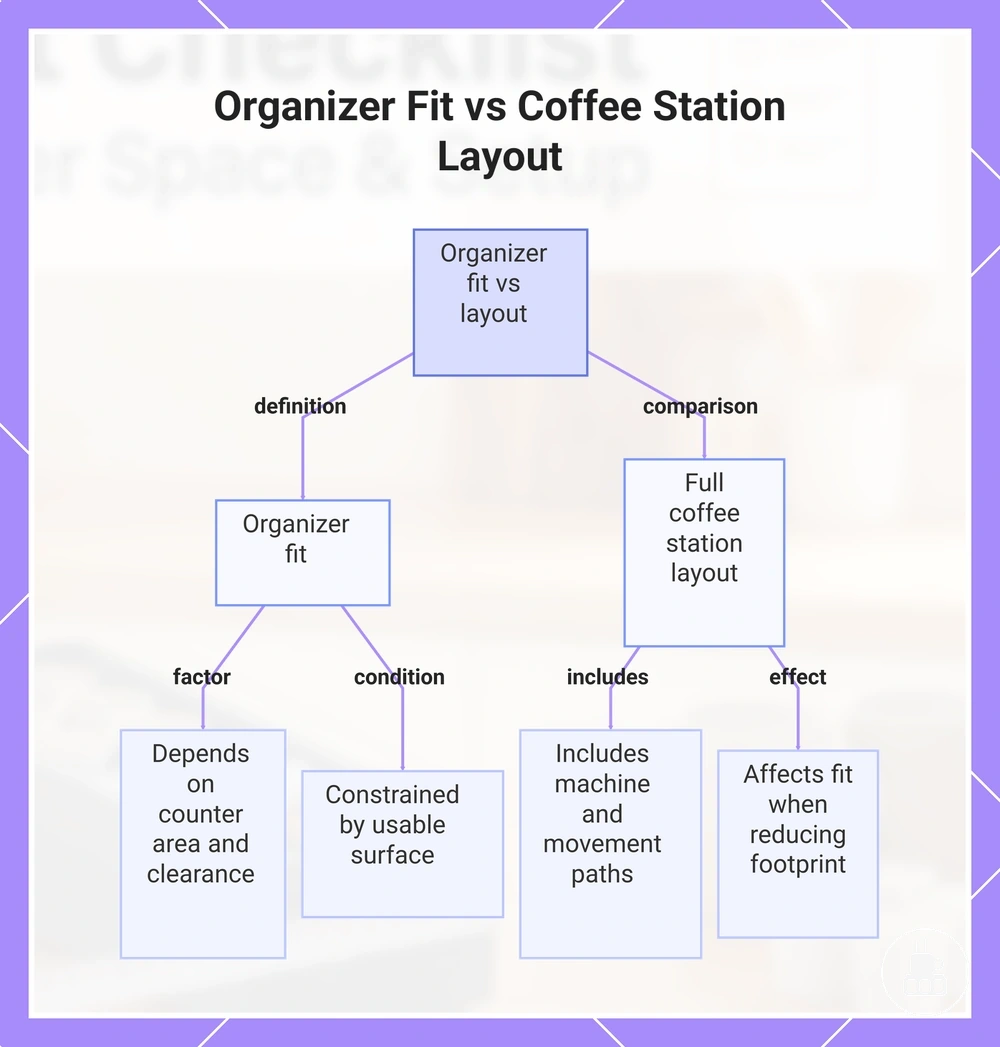
Countertop organizer fit refers to how a coffee station organizer fits within a defined measured countertop footprint, while full coffee station layout refers to the broader spatial arrangement of machines, storage, and working zones across the counter area. The distinction matters because fit is constrained by physical space boundaries, whereas layout influences how that space is allocated and used.
Organizer fit depends primarily on available counter area, clearance, and usable surface within a fixed boundary. Full coffee station layout extends beyond the organizer itself and includes placement of the coffee machine, accessory zones, and movement paths. Layout decisions only affect fit when they change the amount of usable footprint, reduce access space, or increase clutter pressure within the same counter area.
In practical use, a coffee station can have a well-planned layout but still fail fit requirements if the organizer exceeds the usable footprint. Conversely, a compact layout can improve functionality by preserving clear access zones and reducing overlap between storage and machine operation areas.
This chart compares countertop organizer fit and full coffee station layout, showing their definitions and how they interact.
Final measurements checklist before purchase
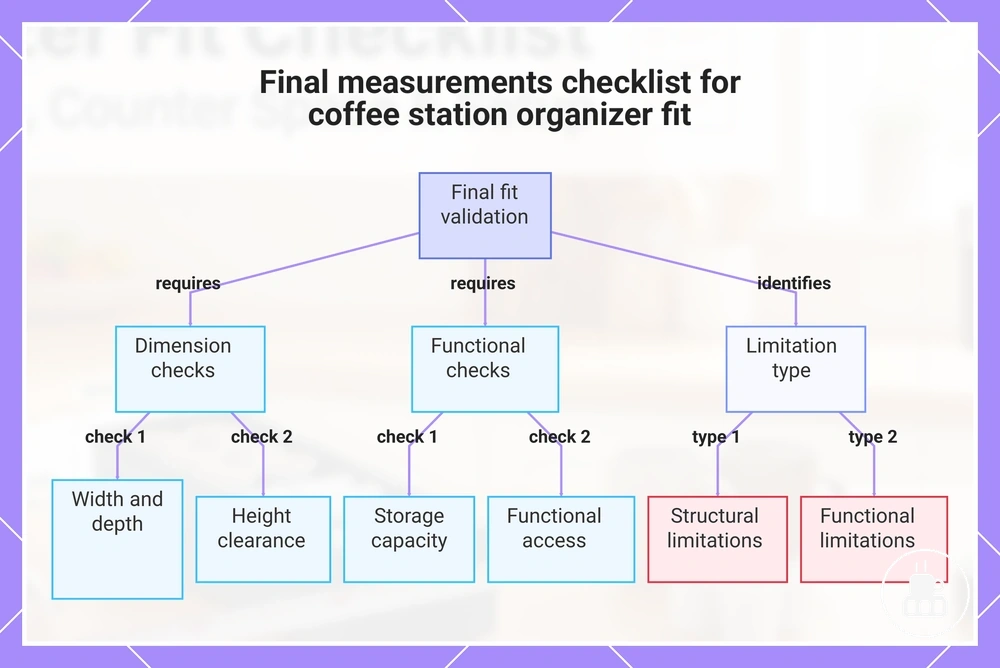
Final measurements checklist before purchase refers to the last validation step used to confirm whether a coffee station organizer fits within the measured countertop footprint. It consolidates all prior sizing considerations into a single decision check focused on usable space and real-use conditions.
The final check confirms whether width, depth, height clearance, and storage capacity all remain compatible within the same counter boundary. These factors must align together because a mismatch in any single dimension can reduce usability even when the organizer appears to fit on paper.
Fit decisions depend on whether the organizer maintains functional access during daily use, including movement around the coffee machine, retrieval of stored items, and avoidance of overcrowding inside compartments. If any of these conditions restrict normal operation, the setup may require remeasurement or adjustment.
This checklist also separates acceptable configurations from borderline ones by identifying whether limitations are structural (counter size) or functional (access flow, storage pressure, or layout interference). This distinction helps guide the final decision more accurately.
For structured guidance on choosing the right setup, see selection criteria for better fit.
Here are product examples that may make comparison easier. Before buying, always review the compatibility criteria, essential features, and product details.
This chart shows the key checks and decision criteria in the final fit validation step for a coffee station organizer, including dimension checks, functional checks, and limitation type identification.